How Synthetic Roof Covering Tiles Help Prevent Water Invasion and Roof Covering Degeneration
Water hardly ever announces itself when it first gets past a roof covering. It starts silently, commonly as a pinhole course at a fastener, a raised edge at a ridge, or a failed blinking where two materials satisfy. By the time a home owner notices a stain on drywall or a mildewy smell in the attic room, the problem has typically relocated well beyond the surface area. Damp outdoor decking, softened underlayment, mold and mildew development, rusted nail heads, and damaged insulation tend to get here long before a ceiling place appears.
That is why material selection issues so much. A roof covering is not just a decorative skin. It is a water management system under continuous stress from sunlight, wind, freeze-thaw cycles, and seasonal particles. Synthetic roof tiles have gained grip for a factor. When created and installed appropriately, they provide a strong defense against the tiny failings that usually bring about major dampness issues and roof covering decay.
Homeowners taking a look at synthetic roofs are usually balancing look, life expectancy, upkeep, and weather resistance. In higher-end neighborhoods, especially where owners want the appearance of slate or cedar without the very same frailty or upkeep, building synthetic roof covering has become a major competitor. I have seen that change happen not because of advertising and marketing language, however since homeowner are tired of duplicating repairs on products that look attractive yet leave a lot of possibilities for water to get in.
Water breach begins at the weak points
Most roofings do not stop working at one time. They fall short at changes and information. Valleys carry heavy water volume. Smokeshafts disrupt the area of the roof covering. Pipe penetrations depend on boots and sealants that age. Sides capture wind uplift. Ice dams back water uphill under roofing system coverings in cooler climates. In position with snow, wind, and quick temperature level swings, these weak points are examined constantly.
Traditional roof materials can execute very well, yet each has susceptabilities. All-natural wood can split, crinkle, or take in moisture. Some standard roof shingles shed granules, crack, or end up being breakable after years of ultraviolet exposure. Natural slate is resilient, yet it can break under influence or foot web traffic, and repair services typically become specialized and pricey. Once individual items crack or shift, water starts utilizing those small openings.
Synthetic roofing roof shingles are crafted to decrease numerous of those dangers simultaneously. They are normally made from sophisticated polymer blends, recycled composite materials, or rubber-plastic solutions designed for dimensional stability. That stability issues. A roof covering product that withstands fracturing, splitting, and warping is less most likely to open up a path for water.
The phrase costs synthetic roof covering gets utilized typically, and often too loosely, however at the better end of the group, the benefits are genuine. Higher-grade items often tend to have tighter production tolerances, better impact rankings, stronger side profiles, and more constant attachment performance. Those are not showy features from the road. They are the concealed information that maintain rainfall outside.
Why the shingle itself matters less than the entire dropping system
People commonly concentrate on the visible tile and overlook exactly how the roofing system in fact secures your house. An excellent roofing system sheds water in layers. The noticeable roof shingles are the very first line. Beneath them, underlayment supplies back-up defense. Flashings direct water far from at risk joints. Air flow lowers dampness buildup from inside the home. https://jaredpffz584.meridiannest.com/posts/advantages-of-hiring-an-experienced-artificial-roofer Proper fastening holds the field intact in wind. Starter materials and ridge parts close spaces at the edges and peaks.
The ideal synthetic roof are developed with this split strategy in mind. A well-made synthetic tile typically has a profile that encourages water drainage, overlap dimensions that minimize exposure, and attaching areas that help installers safeguard the product without producing preventable weaknesses. When a producer has done the design and the installer complies with that system thoroughly, the roof covering becomes far more immune to intrusion than a jumble technique developed from dissimilar components.
This is one factor a credible artificial roof firm matters. Product top quality counts, however system technique counts equally as much. I have seen exceptional materials underperform because a staff treated them like a generic asphalt setup, rushed flashing job, or overlooked ventilation improvements. Water discovered those faster ways quickly.
How synthetic roof shingles stand up to the conditions that bring about decay
Roof degeneration is hardly ever nearly rainfall. It is about sustained dampness, entraped moisture, and repeated wetting that never obtains an opportunity to dry correctly. Artificial roof covering roof shingles help on a number of fronts.
First, they are usually non-porous or much much less absorbing than natural wood items. That suggests they do not tackle water the same way cedar shake can. Much less absorption implies much less swelling, less shrinking, and less opportunities for shape changes that open up joints.
Second, several artificial items deal with influence well. Hail, dropping branches, and foot traffic can develop cracks in even more weak products. Also a small crack can become a water entrance point. Much better synthetic roofing tiles typically flex instead of break, which aids preserve the water-shedding surface.
Third, they tend to maintain an extra consistent shape with seasonal swings. In climates with warm summers and freezing wintertimes, dimensional activity can loosen up parts over time. Stable materials decrease that cycle of motion and stress.
Fourth, lighter weight aids in some applications. All-natural slate and ceramic tile impose significant structural tons. Artificial options that simulate their look commonly consider much less, which can simplify a synthetic roofing system substitute and decrease the need for architectural reinforcement. That lighter weight does not directly quit leaks, yet it often permits more sensible upgrades, cleaner installment, and safer repair work access over the life of the roof.
Finally, most of these products are made with resistance to rot, pest task, and dampness deterioration. That does not make them unyielding, and it definitely does not indicate the roofing assembly can not leak, however it eliminates one significant failing setting discovered in organic materials.
Freeze-thaw weather condition exposes every mistake
In the Midwest, and specifically around the Chicago area, freeze-thaw biking is ruthless. A little water that gets involved in the wrong area throughout the day can freeze over night, broaden, and pressure materials apart. After that the next thaw lets in more water. Repeat that enough times and even a modest imperfection ends up being a repair call.
That is one reason synthetic roofing Chicago homeowners usually choose tends to be driven by efficiency instead of appearance alone. Ice dams, blowing snow, sideways rain off the lake, and springtime storm debris are not abstract issues right here. They are yearly realities. An artificial professional roofer Chicagoland home owners depend on typically invests as much time speaking about flashings, attic room air flow, and underlayment as concerning the tiles themselves, since regional climate punishes incomplete planning.
In Naperville and neighboring residential areas, the exact same logic applies. A client taking into consideration synthetic roof Naperville IL options may begin by desiring the appearance of hand-split cedar or slate. The discussion normally grows once they recognize just how much water management depends upon edge details, air flow balance, and durability throughout winter tornados. The aesthetic upgrade is appealing, but the reduction in leak threat is usually what shuts the decision.
The role of overlap, profile, and attachment
The form of a tile influences more than curb appeal. It impacts how water conforms the roof and exactly how most likely it is to locate a method underneath. Better artificial items are made with water-shedding geometry in mind. The overlaps are not arbitrary. The thickness at edges, the interlock or positioning features in some styles, and the direct exposure dimensions all influence performance.
Attachment matters equally as much. If a shingle is under-fastened, over-fastened, or nailed outside the designated zone, wind can misshape it or lift it sufficient to admit driven rainfall. That is why artificial roof installers need product-specific training. A material that looks simple from the ground can have exact attachment patterns and spacing requirements that vary from traditional shingles or natural products.
I remember a repair service analysis on a large custom home where the proprietors presumed the artificial product itself had actually failed. The concern ended up being installer error. Bolts were positioned too high, several ridge information were improvisated, and chimney flashing had actually been embeded cosmetically instead of incorporated appropriately. The roof shingles still looked virtually new, yet water had been getting in for more than a period. The lesson was clear. Costs product can not rescue careless installation.
Synthetic roof and high-end homes
There is a factor artificial roof for high-end homes has increased so rapidly. Premium residences often have intricate rooflines, high pitches, dormers, turrets, long valleys, and decorative details that multiply leak chances. They likewise have a tendency to feature indoor finishes that are pricey to repair as soon as moisture enters. A tarnish on drywall is something. Water moving right into custom millwork, plaster, insulation behind rock veneer, or sanctuary ceiling settings up is another.
Architectural synthetic roof covering fits this market well due to the fact that it can replicate exceptional all-natural products while boosting influence resistance and reducing upkeep. On a huge home, that maintenance distinction builds up quickly. Less busted pieces, less moisture-related repair work, and easier sourcing for future solution work all help maintain the building envelope.
Aesthetics still matter. Owners desire shadow lines, structure, and dimensional depth. The better products provide that. Yet the useful win is that these roof shingles are frequently extra forgiving in extreme climate than the products they imitate. That does not suggest every synthetic item belongs on every deluxe home. Some lower-grade lines look level up close or lack the heft anticipated on a premium property. Still, when the appropriate product is chosen, the mix of appearance and moisture defense is difficult to ignore.
Where leakages still take place, despite having good materials
No roof covering material gets rid of all threat. Water breach can still happen on artificial roofings if the design or installment is weak. The most typical difficulty places know across all roofing kinds:
- Chimneys, skylights, and plumbing infiltrations with inadequately integrated flashing
- Valleys where high water quantity overwhelms shortcuts in underlayment or metal work
- Eaves prone to ice damming without adequate membrane defense
- Ridge and hip information where air flow elements are set up inaccurately
- Transitions into walls, dormers, or low-slope areas that need various waterproofing techniques
Those powerlessness are why an experienced artificial roofer comes close to the job as an envelope system, not a roof shingles swap. The appropriate staff needs to be inquiring about attic room humidity, insulation depth, existing deck condition, restroom air vent discharge, gutter ability, and exactly how water leaves the home after it gets to the ground. If they are just chatting color and design, they are skipping the real defense work.
Installation quality makes a decision whether the roofing performs
Synthetic roofing system setup is entitled to more interest than it frequently gets in sales discussions. Some home owners assume installment is straightforward since the product is lighter than slate or tile. In one sense, yes, lighter items are frequently easier to handle. Yet simpler handling ought to not be confused with easier detailing.
A disciplined installer examines the outdoor decking thoroughly prior to new products go on. If the substratum is soft, peeled, or unequal, no roof shingles will lie and seal appropriately over it. Rotten sheathing has to be changed. Doubtful air flow needs to be dealt with. Blinking should be restored, not simply covered over. Ice and water membrane belongs in the ideal locations, particularly in chillier regions. Bolt type and length should match both the product and the deck.
This is where a certified synthetic roof covering company divides itself from a basic team dabbling in a more recent group. The most effective artificial roofing system installers recognize which items can take care of tighter radius details, which require particular spacing in winter, and exactly how manufacturer requirements influence guarantee insurance coverage. They likewise know when a residence needs greater than an aesthetic upgrade. If the existing air flow is driving condensation right into the attic room all wintertime, brand-new roof shingles alone will not quit decay.
For homeowners contrasting proposals, abnormally reduced pricing usually signals left out actions. Decking substitute allowances are also little. Flashing is thought to remain. Air vent upgrades are not consisted of. Starter and ridge devices are substituted with common components. Those decisions might conserve cash upfront, yet they are exactly where future leaks begin.
The fixing cycle artificial roof can assist avoid
Many home owners get to artificial roofing system replacement after enduring the same issues consistently. A few missing out on pieces after a tornado. A tiny leakage around a valley. A specialist covers one area, then another problem shows up the next winter season. At a certain factor, the roof covering is not stopping working because of one dramatic event. It is falling short due to the fact that the assembly has gotten to the phase where small weaknesses are everywhere.
Synthetic roofing shingles can interrupt that cycle by using a more secure outer layer, particularly on homes where the previous material was susceptible to breaking, splitting, or wetness uptake. If the replacement likewise consists of upgraded flashings, improved air flow, and membrane protection at susceptible locations, the distinction can be substantial. Interior dampness problems often go down. Attic smell improves. Seasonal repair calls ended up being less frequent.
The cost inquiry is genuine, obviously. Costs artificial roof normally sets you back greater than common asphalt items, in some cases meaningfully much more depending on the profile, roof covering complexity, and region. Yet comparing materials by square-foot rate alone misses out on the bigger photo. Drip repair services, indoor repair, duplicated maintenance check outs, and reduced replacement cycles have expenses as well. On homes with complicated design or costs insides, stopping one serious water event can validate a lot of the upgrade.
What house owners need to ask before signing a contract
Good questions reveal whether a professional understands moisture protection or is just offering an appearance. These are the conversations worth having early:
- How will you deal with blinking replacement at chimneys, walls, skylights, and valleys?
- What underlayment and ice obstacle method do you recommend for this roofing and this climate?
- Will you inspect and replace harmed outdoor decking where needed, and just how is that valued?
- How does the attic room ventilation carry out currently, and do you recommend changes?
- Which artificial roof have you set up repeatedly, and what has held up best in neighborhood weather?
Those responses inform you a large amount. A trusted artificial roofing contractor should be comfortable reviewing failure points carefully, not simply attributes and finishes.
Why this matters in older real estate stock
Older homes present a special case. Several have irregular framing, numerous reroof layers somewhere in their history, obsolete venting, or additions that transformed exactly how water and air move via the framework. On these houses, synthetic roofing shingles can be an exceptional choice because they provide the aesthetic personality proprietors want without adding the architectural concern of heavy natural materials.
At the same time, older homes penalize presumptions. Flashings concealed under old exterior siding might be inadequate. Smokeshaft saddles may never have been set up. Low-slope deck areas may need a various roof membrane entirely. A careful artificial roof installation on an older home frequently includes more diagnostic work than anticipated. That is not a disadvantage. It is exactly how you stop surprise moisture from proceeding its job after the visible roofing has actually been upgraded.
I have actually seen property owners breathe simpler after these jobs, not because the roof covering looked better, although it generally did, but due to the fact that the attic room ultimately stayed dry after a gusty storm. That is the real criteria. The roofing should go away from your checklist of worries.
A smarter method to think of durability
Durability is typically misunderstood as a straightforward lifespan number. Property owners ask how many years a roof will last, and that is practical, yet life span means greater than making it through on paper. A resilient roofing keeps water out consistently, withstands typical sources of damage, stays repairable, and holds its shape and add-on with weather extremes.
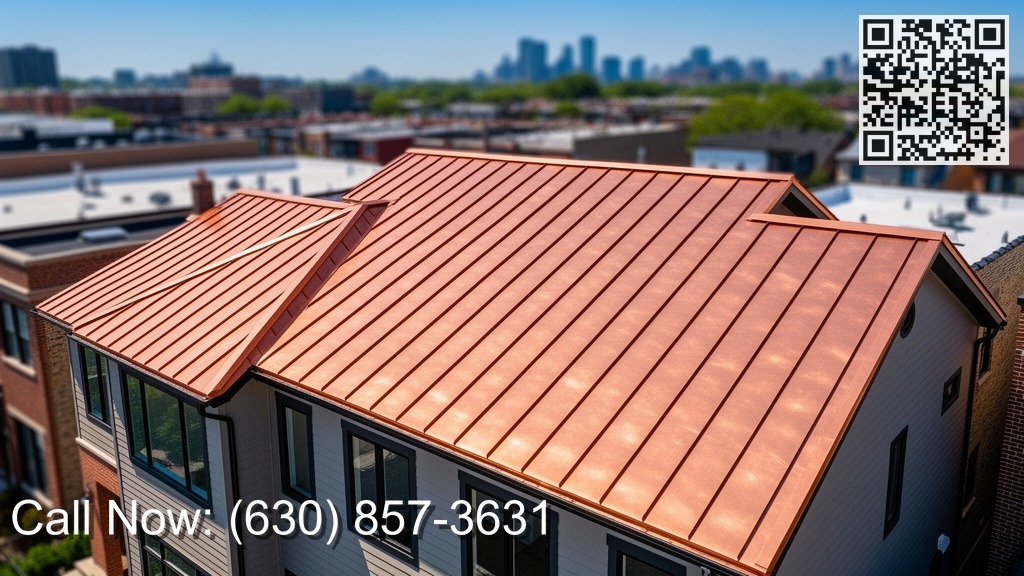
That is where domestic artificial roof covering earns attention. It usually gives homeowners a middle course in between standard asphalt and high-maintenance all-natural products. The far better items can imitate slate or tremble convincingly, resist influence well, and contribute to a roofing system assembly that stays completely dry when it matters most. For homes in requiring climates, or for proprietors that desire elevated design without welcoming recurring wetness concerns, that mix is compelling.
Synthetic roof coverings are not magic. They can not compensate for flawed layout, neglected seamless gutters, obstructed soffit vents, or bad blinking. But when paired with correct describing and knowledgeable craftsmanship, they lower numerous of the material-related susceptabilities that result in water invasion and rot. In practical terms, that suggests fewer openings for water, much less dampness kept in the roofing covering itself, and a far better possibility that the framework underneath stays audio for decades.
That is the goal every roof covering ought to offer. Not just to look finished from the curb, yet to keep the building completely dry, secure, and intact through the climate it in fact faces. Synthetic roofing shingles, particularly when used in attentively developed synthetic roof, have confirmed they can do that work very well.
When Quality Matters
Salvo Architectural Roofing Contractors
566 West 5th Ave Naperville, IL 60563
(630) 857-3631
[email protected]
 Ask ChatGPT
 Ask Grok
 Ask Perplexity
 Ask Claude
 Ask Google AI
 Ask You
Corrections
Spot something wrong? Send it to the desk and it gets fixed in the open.