Just How Artificial Roof Roofing Shingles Help Prevent Water Invasion and Roofing Decay
Water hardly ever introduces itself when it initially gets past a roofing system. It begins silently, usually as a pinhole course at a fastener, a lifted edge at a ridge, or a stopped working flashing where 2 products meet. By the time a home owner notifications a stain on drywall or a musty smell in the attic room, the issue has generally relocated well past the surface. Wet decking, softened underlayment, mold development, rusted nail heads, and harmed insulation have a tendency to get here long before a ceiling place appears.
That is why worldly selection matters a lot. A roof is not simply an attractive skin. It is a water administration system under continuous stress from sunlight, wind, freeze-thaw cycles, and seasonal debris. Artificial roof tiles have obtained traction for a factor. When designed and installed appropriately, they offer a solid defense against the little failings that often result in significant moisture troubles and roofing system decay.
Homeowners considering artificial roofings are typically stabilizing appearance, lifespan, maintenance, and weather resistance. In higher-end communities, particularly where owners desire the appearance of slate or cedar without the same fragility or maintenance, architectural synthetic roof has become a severe challenger. I have seen that change take place not due to advertising language, but due to the fact that property owners are tired of repeating repair services on products that look gorgeous yet leave too many chances for water to obtain in.
Water breach begins at the weak points
Most roof coverings do not stop working at one time. They stop working at shifts and information. Valleys carry hefty water volume. Chimneys interrupt the area of the roof covering. Pipe penetrations depend on boots and sealers that age. Edges capture wind uplift. Ice dams back water uphill below roofing system coverings in cooler climates. In position with snow, wind, and fast temperature swings, these weak points are tested constantly.
Traditional roofing materials can do extremely well, yet each has vulnerabilities. All-natural timber can divide, crinkle, or soak up moisture. Some standard tiles shed granules, split, or become breakable after years of ultraviolet direct exposure. All-natural slate is durable, yet it can break under effect or foot traffic, and repair work commonly become specialized and pricey. When private pieces crack or shift, water begins utilizing those tiny openings.
Synthetic roof covering tiles are crafted to lower several of those risks at once. They are normally made from innovative polymer blends, recycled composite materials, or rubber-plastic formulas created for dimensional security. That stability matters. A roof covering item that stands up to breaking, splitting, and bending is much less most likely to open a course for water.
The phrase costs synthetic roof gets utilized usually, and in some cases as well loosely, yet at the much better end of the category, the benefits are genuine. Higher-grade products tend to have tighter production tolerances, far better influence rankings, more powerful side accounts, and more regular attachment performance. Those are not showy features from the street. They are the hidden details that keep rainfall outside.
Why the shingle itself matters less than the entire losing system
People typically concentrate on the visible roof shingles and ignore how the roof really secures your house. A great roofing system loses water in layers. The visible roof shingles are the first line. Under them, underlayment provides backup defense. Flashings direct water away from susceptible joints. Air flow lowers wetness accumulation from inside the home. Proper fastening holds the field undamaged in wind. Starter materials and ridge components close gaps at the sides and peaks.
The ideal synthetic roofing systems are developed with this layered strategy in mind. A well-crafted synthetic shingle generally has a profile that motivates drainage, overlap measurements that lower direct exposure, and attaching areas that help installers protect the item without creating preventable weak points. When a producer has done the design and the installer adheres to that system carefully, the roofing system becomes much more immune to breach than a jumble approach built from dissimilar components.
This is one factor a respectable synthetic roof covering company issues. Item quality matters, however system self-control counts just as much. I have seen exceptional materials underperform due to the fact that a staff treated them like a common asphalt installment, hurried blinking job, or neglected air flow corrections. Water found those shortcuts quickly.
How artificial shingles stand up to the problems that bring about decay
Roof degeneration is seldom just about rainfall. It has to do with continual dampness, entraped dampness, and duplicated wetting that never gets an opportunity to completely dry properly. Artificial roof covering shingles help on a number of fronts.
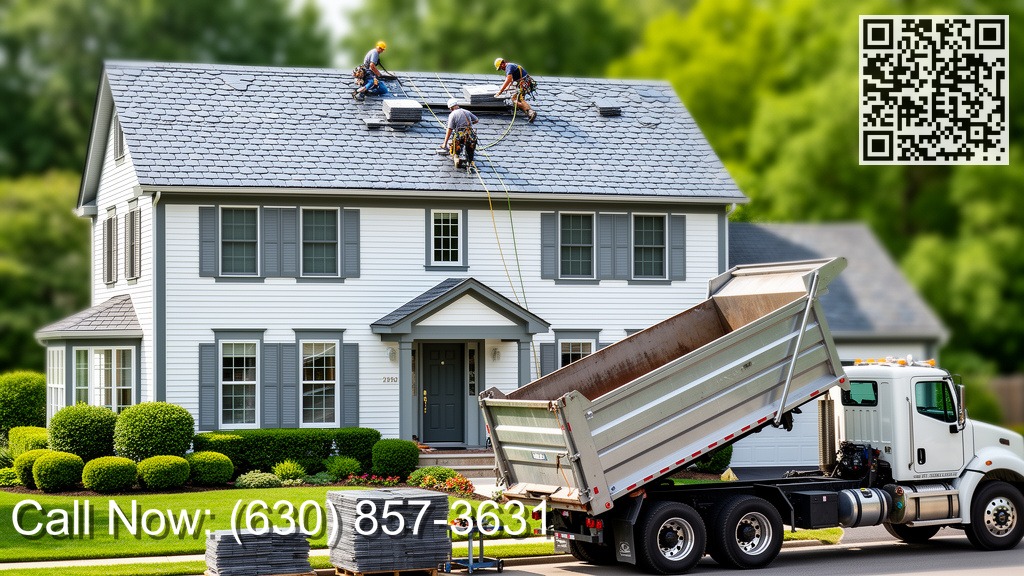
First, they are generally non-porous or much much less absorptive than natural wood items. That means they do not handle water the same way cedar shake can. Much less absorption means much less swelling, much less shrinking, and fewer opportunities for shape adjustments that open up joints.
Second, numerous artificial items manage impact well. Hailstorm, falling branches, and foot website traffic can develop cracks in more brittle materials. Even a small split can become a water entrance point. Much better synthetic roof tiles frequently flex instead of snap, which aids maintain the water-shedding surface.
Third, they often tend to preserve a much more regular shape with seasonal swings. In environments with warm summer seasons and freezing winters months, dimensional activity can loosen up elements with time. Secure materials lower that cycle of activity and stress.
Fourth, lighter weight helps in some applications. All-natural slate and tile enforce significant architectural loads. Artificial choices that simulate their look frequently consider much much less, which can streamline a synthetic roof covering substitute and minimize the demand for structural reinforcement. That lighter weight does not directly quit leaks, however it usually allows for even more practical upgrades, cleaner installation, and safer repair work accessibility over the life of the roof.
Finally, many of these products are manufactured with resistance to rot, insect task, and moisture degeneration. That does not make them invincible, and it definitely does not imply the roofing setting up can not leak, however it eliminates one major failure mode discovered in natural materials.
Freeze-thaw weather reveals every mistake
In the Midwest, and especially around the Chicago region, freeze-thaw cycling is unrelenting. A little water that enters into the incorrect place during the day can freeze overnight, broaden, and pressure materials apart. Then the following thaw lets in even more water. Repeat that sufficient times and even a moderate imperfection comes to be a repair service call.
That is one factor synthetic roofing Chicago house owners often select often tends to be driven by performance instead of look alone. Ice dams, blowing snow, sideways rain off the lake, and spring storm particles are not abstract issues below. They are yearly truths. A synthetic roofer Chicagoland homeowners depend on generally spends as much time speaking about flashings, attic ventilation, and underlayment as regarding the tiles themselves, because neighborhood weather punishes insufficient planning.
In Naperville and nearby suburban areas, the same reasoning applies. A client thinking about synthetic roof covering Naperville IL options might start by desiring the look of hand-split cedar or slate. The conversation usually deepens once they understand how much water administration depends upon side information, air flow equilibrium, and strength during winter season storms. The aesthetic upgrade is appealing, but the decrease in leak threat is commonly what shuts the decision.
The role of overlap, profile, and attachment
The form of a tile affects greater than visual charm. It impacts just how water moves over the roofing system and how likely it is to locate a method underneath. Much better artificial items are designed with water-shedding geometry in mind. The overlaps are not approximate. The density at sides, the interlock or alignment functions in some styles, and the direct exposure measurements all influence performance.
Attachment issues equally as much. If a roof shingles is under-fastened, over-fastened, or toenailed outside the desired area, wind can distort it or lift it sufficient to admit driven rain. That is why synthetic roof installers require product-specific training. A product that looks basic from the ground can have exact fastening patterns and spacing requirements that differ from standard tiles or all-natural products.
I bear in mind a repair service evaluation on a large custom-made home where the proprietors presumed the artificial product itself had actually failed. The concern became installer error. Bolts were put too high, several ridge details were improvisated, and chimney blinking had been embeded cosmetically instead of incorporated correctly. The tiles still looked nearly brand-new, but water had been going into for greater than a season. The lesson was clear. Costs material can not save careless installation.
Synthetic roof and deluxe homes
There is a reason artificial roofing for high-end homes has increased so promptly. High-end homes usually have complicated rooflines, high pitches, dormers, turrets, long valleys, and decorative information that increase leak possibilities. They likewise often tend to include interior surfaces that are expensive to repair when moisture gets in. A tarnish on drywall is something. Water moving right into custom millwork, plaster, insulation behind stone veneer, or cathedral ceiling settings up is another.
Architectural artificial roof fits this market well since it can replicate superior all-natural products while boosting effect resistance and decreasing upkeep. On a huge home, that maintenance difference builds up quickly. Fewer damaged items, fewer moisture-related repair services, and easier sourcing for future service work all help preserve the structure envelope.
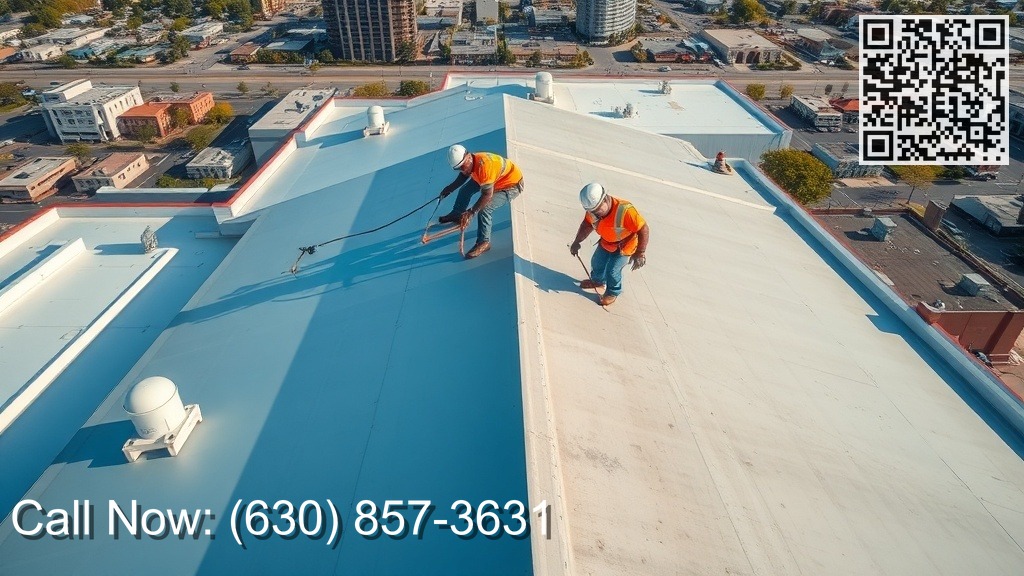
Aesthetics still matter. Owners desire shadow lines, structure, and dimensional depth. The much better items provide that. But the practical win is that these tiles are typically much more flexible in extreme weather condition than the products they copy. That does not imply every artificial item belongs on every deluxe home. Some lower-grade lines look flat up close or lack the https://johnathanrtim250.rivetgarden.com/posts/signs-it-is-time-for-a-synthetic-roofing-system-substitute-in-chicago-suburbs heft anticipated on a costs property. Still, when the ideal product is selected, the blend of appearance and moisture security is difficult to ignore.
Where leaks still happen, even with great materials
No roof material gets rid of all threat. Water intrusion can still occur on synthetic roofings if the design or installment is weak. The most typical trouble areas recognize throughout all roofing kinds:
- Chimneys, skylights, and pipes penetrations with improperly integrated blinking
- Valleys where high water quantity bewilders shortcuts in underlayment or metal job
- Eaves vulnerable to ice damming without ample membrane defense
- Ridge and hip information where air flow elements are mounted improperly
- Transitions right into walls, dormers, or low-slope areas that need various waterproofing methods
Those weak points are why a skilled synthetic professional roofer approaches the job as an envelope system, not a roof shingles swap. The best team needs to be asking about attic room humidity, insulation depth, existing deck condition, shower room air vent discharge, rain gutter capability, and how water leaves the residential property after it gets to the ground. If they are only talking color and style, they are avoiding the actual security work.
Installation high quality chooses whether the roof covering performs
Synthetic roof covering installation should have more focus than it commonly enters sales conversations. Some home owners think installation is uncomplicated since the product is lighter than slate or floor tile. In one sense, yes, lighter items are often easier to handle. Yet simpler handling needs to not be perplexed with simpler detailing.
A disciplined installer examines the decking thoroughly before new materials go on. If the substratum is soft, peeled, or uneven, no shingle will lie and seal appropriately over it. Rotten sheathing must be changed. Questionable ventilation needs to be fixed. Blinking must be reconstructed, not just covered over. Ice and water membrane belongs in the right areas, particularly in colder areas. Bolt type and length must match both the product and the deck.
This is where a qualified synthetic roof covering company divides itself from a general staff dabbling in a newer group. The best synthetic roof covering installers know which products can manage tighter span details, which need particular spacing in winter, and exactly how manufacturer specifications affect guarantee protection. They likewise understand when a residence requires more than an aesthetic upgrade. If the existing air flow is driving condensation right into the attic all winter season, brand-new tiles alone will not stop decay.
For home owners comparing bids, abnormally reduced pricing often signifies omitted actions. Outdoor decking substitute allocations are also little. Flashing is thought to remain. Air vent upgrades are not included. Starter and ridge devices are substituted with generic components. Those decisions might conserve cash upfront, but they are exactly where future leakages begin.
The fixing cycle synthetic roof can help avoid
Many homeowners get to synthetic roof covering replacement after living through the very same troubles repeatedly. A few missing out on pieces after a tornado. A little leak around a valley. A professional covers one location, then another problem shows up the following winter. At a particular point, the roofing system is not falling short due to one significant occasion. It is stopping working due to the fact that the setting up has actually gotten to the phase where little weak points are everywhere.
Synthetic roof covering roof shingles can interrupt that cycle by offering a more secure outer layer, particularly on homes where the previous material was prone to splitting, splitting, or dampness uptake. If the substitute additionally consists of updated flashings, improved air flow, and membrane protection at susceptible areas, the difference can be significant. Interior wetness issues typically go down. Attic smell boosts. Seasonal fixing calls ended up being much less frequent.
The cost concern is genuine, naturally. Costs synthetic roof covering typically costs more than conventional asphalt items, often meaningfully much more depending on the profile, roofing complexity, and region. But comparing products by square-foot price alone misses the larger image. Drip fixings, indoor reconstruction, duplicated upkeep gos to, and shortened replacement cycles have expenses as well. On homes with complicated architecture or premium interiors, preventing one major water event can validate much of the upgrade.
What home owners need to ask before signing a contract
Good concerns reveal whether a professional understands moisture protection or is merely marketing a look. These are the conversations worth having early:
- How will you manage flashing replacement at smokeshafts, walls, skylights, and valleys?
- What underlayment and ice barrier approach do you recommend for this roof and this environment?
- Will you check and change damaged decking where needed, and how is that priced?
- How does the attic room ventilation carry out now, and do you recommend adjustments?
- Which synthetic roofing systems have you mounted repeatedly, and what has stood up best in neighborhood weather?
Those answers inform you a large amount. A reputable synthetic roofer must be comfortable discussing failure points in detail, not just functions and finishes.
Why this matters in older housing stock
Older homes provide a diplomatic immunity. Lots of have irregular framing, several reroof layers someplace in their background, outdated airing vent, or enhancements that transformed how water and air relocation with the structure. On these houses, artificial roofing shingles can be an exceptional choice since they supply the visual personality owners desire without including the architectural concern of heavy all-natural materials.
At the very same time, older homes punish presumptions. Flashings concealed under old house siding might be poor. Chimney saddles may never have actually been set up. Low-slope patio sections may need a different roof membrane layer entirely. A careful synthetic roof covering installment on an older house usually entails even more analysis job than anticipated. That is not a downside. It is how you avoid concealed dampness from proceeding its job after the noticeable roofing system has been upgraded.
I have seen house owners take a breath simpler after these tasks, not because the roofing looked much better, although it typically did, but due to the fact that the attic room finally stayed dry after a windy storm. That is the actual standard. The roofing system must disappear from your list of worries.
A smarter method to think about durability
Durability is usually misconstrued as an easy lifespan number. Homeowners ask the amount of years a roof will certainly last, and that is practical, yet service life indicates more than enduring theoretically. A sturdy roof maintains water out constantly, withstands typical sources of damages, continues to be repairable, and holds its shape and attachment with climate extremes.
That is where residential synthetic roof covering earns focus. It commonly provides homeowners a center path between standard asphalt and high-maintenance natural materials. The much better items can mimic slate or drink convincingly, stand up to influence well, and add to a roof covering assembly that stays dry when it matters most. For homes in requiring environments, or for proprietors who want raised layout without inviting persisting wetness problems, that mix is compelling.
Synthetic roofs are not magic. They can not make up for flawed design, neglected seamless gutters, blocked soffit vents, or bad flashing. Yet when paired with correct describing and experienced craftsmanship, they reduce several of the material-related vulnerabilities that cause water intrusion and rot. In functional terms, that implies fewer openings for water, much less dampness held in the roofing system covering itself, and a much better opportunity that the structure beneath continues to be sound for decades.
That is the objective every roofing need to offer. Not just to look completed from the curb, yet to keep the building completely dry, stable, and undamaged with the climate it actually faces. Artificial roofing shingles, especially when made use of in thoughtfully made artificial roof, have verified they can do that work really well.
When Quality Matters
Salvo Architectural Roofing Contractors
566 West 5th Ave Naperville, IL 60563
(630) 857-3631
[email protected]
 Ask ChatGPT
 Ask Grok
 Ask Perplexity
 Ask Claude
 Ask Google AI
 Ask You
Corrections
Spot something wrong? Send it to the desk and it gets fixed in the open.